


Dr Seng Chusheng
Consultant Orthopaedic Surgeon
MBBS (Singapore), MRCS (Edinburgh), MMed (Orth), FRCS (Edinburgh)
Bunions are more than just an eyesore or a visible bump on the foot. They can affect comfort, mobility and daily activities. While most people manage symptoms with non-surgical measures such as appropriate footwear or orthotics, there are cases when pain or deformity progresses and these options no longer provide relief. Bunion removal surgery may then be considered next to treat the underlying cause.
4 Signs That Bunion Surgery Should Be Considered
There are certain telltale signs that suggest surgical treatment should be considered, and recognising these symptoms would be key in deciding whether to follow through. Here are four common indicators that bunion removal may be appropriate.
1. Persistent Pain
Ongoing discomfort in the bunion area, even with properly fitted footwear, orthotics or anti-inflammatory medications, signals that conservative measures are no longer sufficient. A bunion removal surgery can address the underlying structural problem causing discomfort.
2. Severe Deformity or Inflammation
A noticeable change in the shape of the foot often indicates that a bunion is progressing. As the deformity worsens, ongoing inflammation and swelling may develop and fail to improve with rest or medication. The big toe may also begin to overlap or underlap the neighbouring toes, leading to further problems. When joint misalignment continues to progress and causes visible deformity, surgical treatment may need to be considered.
3. Limited Big Toe Movement
Stiffness in the big toe joint that limits normal movement is another sign that surgery may be appropriate. When joint motion is restricted, it can affect your ability to push off properly while walking, alter your gait and place added strain on other parts of the foot or leg.
4. Difficulty Walking or Balancing
If your bunion affects your ability to walk long distances, maintain proper balance or participate in normal daily activities, surgery can provide significant improvement. The altered foot mechanics caused by severe bunions can impact your entire kinetic chain, affecting not just your foot but potentially your ankle, knee and hip alignment.
A consultation with a bunion specialist, supported by diagnostic X-rays, helps determine whether surgery is appropriate and when it should be considered. This assessment evaluates the severity of the deformity, joint condition and individual factors, and early review may help prevent further damage or reduce the need for more complex surgery.
A consultation with a bunion specialist, supported by diagnostic X-rays, helps determine whether surgery is appropriate and when it should be considered. This assessment evaluates the severity of the deformity, joint condition and individual factors, and early review may help prevent further damage or reduce the need for more complex surgery.
What Are the Different Types of Bunion Surgeries?
If surgery is recommended, several procedures may be considered. The type of bunion surgery depends on factors such as the severity of the bunion, the degree of joint deformity and your lifestyle. Common bunion surgery options available in Singapore include:
Osteotomy
This is the most common bunion surgery, involving cutting the metatarsal bone to realign the big toe joint. The bone is then repositioned and secured with small screws, plates or pins to maintain proper alignment during healing.
Exostectomy
This procedure involves removing the bony bump from the joint. It is typically reserved for mild cases where the primary concern is the protruding bone. However, it carries an increased risk of bunion recurrence since it does not correct the underlying joint misalignment.
Arthrodesis
In severe bunion cases, particularly when arthritis is present, joint fusion may be recommended. This procedure involves removing the damaged joint surfaces and securing the bones together with plates or screws. However, fusion can relieve joint pain but also limit movement at the joint, which may affect certain activities.
What to Expect Before, During and After Bunion Surgery
Bunion surgery can feel overwhelming, but knowing what to expect can ease your concerns and help you prepare for a smooth experience. Here is a clear guide to each stage of the process, from preparing for your procedure to getting back on your feet:
Before Surgery
Before surgery, your surgeon will conduct a pre-operative assessment to evaluate your foot condition, overall health and suitability for surgery. The procedure, expected benefits, potential risks and alternative treatment options will be discussed. If surgery is agreed upon, you will be asked to provide informed consent.
You may be advised to adjust or temporarily stop certain medications and, in some cases, to fast before the procedure. These instructions vary depending on the type of anaesthesia planned and your medical history. On the day of surgery, you will be admitted to a hospital or outpatient facility. A brief health check will be performed before you change into a hospital gown and are prepared for the procedure.
You may be advised to adjust or temporarily stop certain medications and, in some cases, to fast before the procedure. These instructions vary depending on the type of anaesthesia planned and your medical history. On the day of surgery, you will be admitted to a hospital or outpatient facility. A brief health check will be performed before you change into a hospital gown and are prepared for the procedure.
During Surgery
Once you are moved to the operating theatre, an intravenous (IV) drip is usually inserted. Anaesthesia may involve either local anaesthetic (combined with sedation) or general anaesthesia.
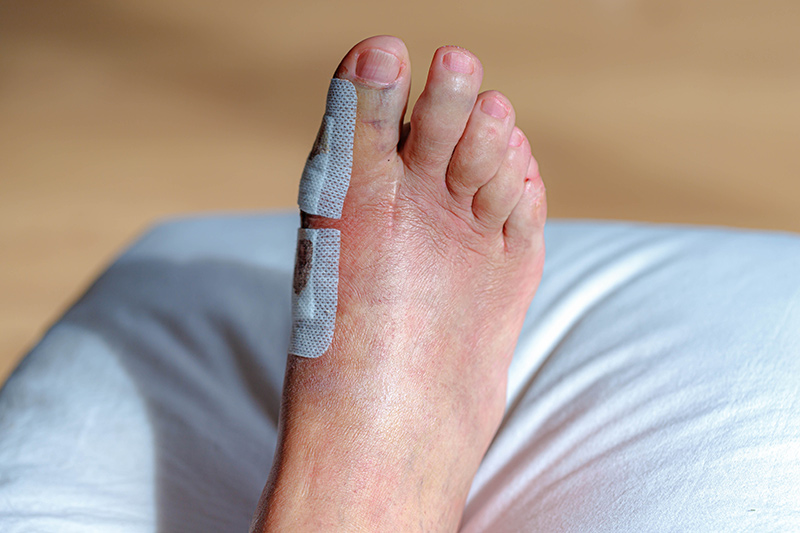
Your surgeon will make carefully planned incisions to access the affected bones and soft tissues. Depending on the severity and type of bunion, the procedure may involve realigning the big toe joint, correcting bone position and, in some cases, removing excess bone. Internal fixation such as screws or pins may be used to maintain alignment while the bone heals. Once the procedure is completed, the incision is closed with stitches and the foot is bandaged.
Your surgeon will make carefully planned incisions to access the affected bones and soft tissues. Depending on the severity and type of bunion, the procedure may involve realigning the big toe joint, correcting bone position and, in some cases, removing excess bone. Internal fixation such as screws or pins may be used to maintain alignment while the bone heals. Once the procedure is completed, the incision is closed with stitches and the foot is bandaged.
After Surgery
After surgery, you will be monitored in a recovery area until the effects of anaesthesia wear off. Once medically stable, discharge may occur on the same day or after a short observation period. Medication may be prescribed to manage post-operative discomfort.
After returning home, patients are advised to rest, elevate the foot and follow weight-bearing instructions provided by the surgeon. The level of activity permitted varies depending on the procedure performed, and some patients may require temporary use of supportive devices such as a surgical shoe or walking boot.
A follow-up appointment is usually scheduled approximately two weeks after surgery to assess healing. Recovery timelines vary, but many patients resume most daily activities within 6 to 12 weeks. Residual swelling or stiffness may persist for a longer period, and activity progression should follow individual clinical guidance.
After returning home, patients are advised to rest, elevate the foot and follow weight-bearing instructions provided by the surgeon. The level of activity permitted varies depending on the procedure performed, and some patients may require temporary use of supportive devices such as a surgical shoe or walking boot.
A follow-up appointment is usually scheduled approximately two weeks after surgery to assess healing. Recovery timelines vary, but many patients resume most daily activities within 6 to 12 weeks. Residual swelling or stiffness may persist for a longer period, and activity progression should follow individual clinical guidance.

Address Bunion-Related Pain with Dr Seng Chusheng
Bunion surgery is a viable long-term solution when daily functions are significantly impacted and conservative treatments have been thoroughly tried without success. By correcting the underlying deformity, surgery can relieve your pain, improve your mobility and allow you to return to activities you love.
At Axis Bunion Clinic, we are dedicated to helping patients regain their independence and live pain-free. Led by Dr Seng Chusheng, our comprehensive approach combines advanced surgical techniques with personalised care to achieve optimal outcomes for each individual. If bunion symptoms are affecting you, schedule a consultation with us to discuss the appropriate treatment options for your condition and lifestyle.
At Axis Bunion Clinic, we are dedicated to helping patients regain their independence and live pain-free. Led by Dr Seng Chusheng, our comprehensive approach combines advanced surgical techniques with personalised care to achieve optimal outcomes for each individual. If bunion symptoms are affecting you, schedule a consultation with us to discuss the appropriate treatment options for your condition and lifestyle.
Dr Seng Chusheng
Consultant Orthopaedic Surgeon MBBS(Singapore), MRCS (Edinburgh), MMed (Orth), FRCS (Edinburgh)
Dr Seng Chusheng is an orthopaedic surgeon in Singapore with a clinical focus on minimally invasive foot surgery, including bunions and other foot deformities. He has over 10 years of experience and adopts a patient-centred approach, tailoring treatment plans to individual clinical needs.
Before entering private practice, Dr Seng was a consultant orthopaedic surgeon at Singapore General Hospital, where he received the SingHealth Service With A Heart Award. He has also presented at orthopaedic conferences, including the American Academy of Orthopaedic Surgeons Annual Scientific Meeting.
Before entering private practice, Dr Seng was a consultant orthopaedic surgeon at Singapore General Hospital, where he received the SingHealth Service With A Heart Award. He has also presented at orthopaedic conferences, including the American Academy of Orthopaedic Surgeons Annual Scientific Meeting.
Axis骨科中心致力于协助病患恢复行动力,让您再度享受无拘无束的自由生活。
我们热情欢迎来自各界的拇囊炎患者体验我们的个性化治疗。致电9711 8888进行当天或次日的咨询。
一般咨询
预约看诊
联络资讯

伊丽莎白诺维娜医院
38号依拉瓦底路 #06-33新加坡邮区 329563
百汇东岸医院
如切路319号 #04-08,新加坡邮区 427989
安微尼亚山医院
医疗中心A, 820汤申路, #03-08,新加坡邮区 574623




营业时间
| 周一至周五 | : | 上午8:30至下午5:30 |
| 周六 | : | 上午8:30至中午12:30 |
| 周日与公共假期休息 | ||