

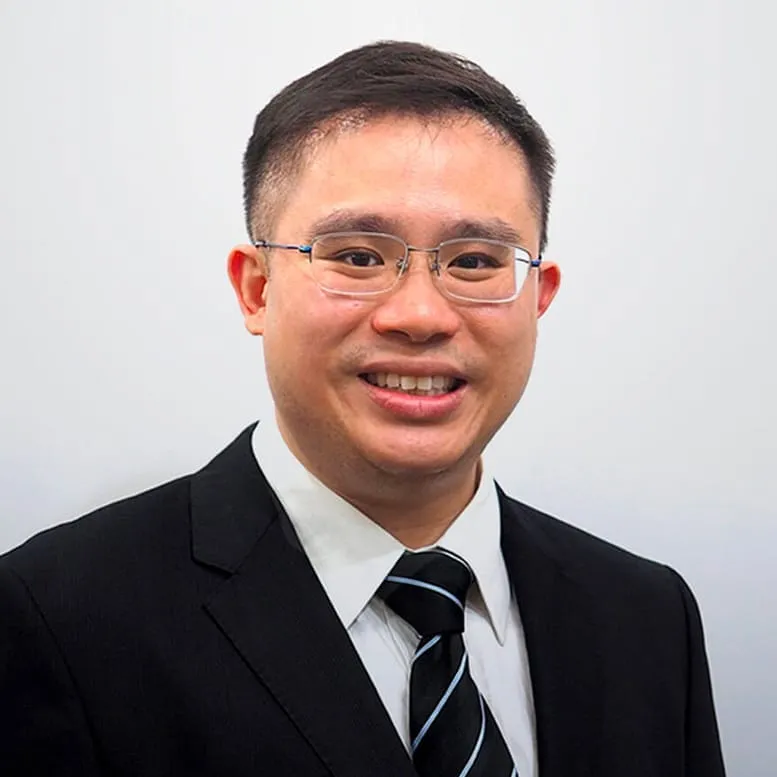
Dr Seng Chusheng
Consultant Orthopaedic Surgeon
MBBS (Singapore), MRCS (Edinburgh), MMed (Orth), FRCS (Edinburgh)
Everybody knows that first steps are always important. But what if the subsequent steps that follow are just as important as the first? Undergoing a bunion surgery is a significant decision towards relieving pain and improving foot function. While the surgeon's expertise in the operating room is essential, the recovery period plays an equally integral role in achieving a successful outcome.
Proper post-operative care, guided closely by a specialist, can help prevent complications, reduce pain and speed up your return to daily activities.
Proper post-operative care, guided closely by a specialist, can help prevent complications, reduce pain and speed up your return to daily activities.
What to Expect During Early Recovery After Bunion Surgery
Recovery after bunion surgery varies depending on the procedure performed and individual healing response. In the initial period, swelling, bruising, tenderness and temporary stiffness of the treated foot are common and generally improve gradually over time.
Patients are usually discharged on the same day or after a short observation period once medically stable. During the early recovery phase, a surgical shoe or walking boot is often used to protect the foot and support alignment. Weight-bearing and activity levels differ depending on the surgical technique, and patients should follow specific instructions provided by their surgeon.
Swelling may fluctuate and can persist for several weeks, particularly after prolonged standing or walking. A follow-up appointment is typically scheduled around two weeks after surgery to assess healing. Gradual return to normal activities is guided by clinical review, and recovery timelines vary between individuals.
Patients are usually discharged on the same day or after a short observation period once medically stable. During the early recovery phase, a surgical shoe or walking boot is often used to protect the foot and support alignment. Weight-bearing and activity levels differ depending on the surgical technique, and patients should follow specific instructions provided by their surgeon.
Swelling may fluctuate and can persist for several weeks, particularly after prolonged standing or walking. A follow-up appointment is typically scheduled around two weeks after surgery to assess healing. Gradual return to normal activities is guided by clinical review, and recovery timelines vary between individuals.
Recovery Tips for a Smooth Healing Process
Practicing discipline in your recovery can significantly influence how quickly and comfortably you return to your daily routine. Here are five effective strategies to guide you through the healing process after a bunion treatment:
1. Adhere Strictly to Post-operative Instructions
Your surgeon will provide a tailored recovery plan specific to your procedure. This may include instructions on wound care, medication schedules and weight-bearing limits. For instance, keeping your dressing clean and dry prevents infection, while taking prescribed pain relief as directed minimises any discomfort. Premature activity can disrupt the bone fixation, leading to delayed healing or even a recurrence of the bunion.
2. Elevate and Ice the Foot
Swelling is common during the early stages of recovery. Elevating the foot when resting may help reduce swelling and discomfort, particularly in the first few weeks after surgery. Cold therapy may also be advised in some cases to help manage swelling. Patients should follow their surgeon's recommendations regarding the use and duration of icing.
3. Start with Gentle Movement
Once your doctor approves, you may start gentle exercises to restore joint flexibility and strength. Simple movements, such as toe stretches, ankle movements and picking up marbles with your toes, can maintain circulation and reduce the risk of blood clots. Physiotherapy is often recommended to help improve your range of motion and break down scar tissue. Consistency with these exercises will prevent stiffness and help you walk normally sooner.
4. Manage Footwear Transition
Transitioning back to normal shoes is a gradual process. You will likely wear a surgical shoe for several weeks. When you are cleared to transition to regular footwear, opt for shoes with a wide toe box and good arch support, such as trainers. Avoid high heels or narrow, pointed shoes for at least six months, as these can reintroduce pressure to the healing area and compromise the surgical correction.
5. General Health and Lifestyle Factors
Overall health plays an important role in your recovery. Maintaining a balanced diet and adequate hydration supports tissue healing. On the other hand, smoking is associated with delayed bone and wound healing, and patients are commonly advised to avoid smoking during recovery to reduce the risk of complications.
The Road to Bunion Surgery Recovery with Axis Bunion Clinic
Recovery after bunion surgery takes time and consistency. Although the early weeks may feel restrictive, keeping the long-term goal of a more comfortable and functional foot in mind can help place temporary discomfort in perspective. By following your recovery instructions, listening to your body and attending scheduled follow-up appointments, you can support healing and allow your surgeon to adjust your care plan as needed.
At Axis Bunion Clinic, our dedicated team strives to ensure that every patient is well cared for, from initial diagnosis to treatment and rehabilitation. The team is led by Dr Seng Chusheng, who was formerly a Consultant Orthopedic Surgeon at the Singapore General Hospital where his dedication to patients saw him accorded the SingHealth Service With A Heart Award. Reach out to us for a customised recovery plan after bunion surgery that is tailored just for you.
At Axis Bunion Clinic, our dedicated team strives to ensure that every patient is well cared for, from initial diagnosis to treatment and rehabilitation. The team is led by Dr Seng Chusheng, who was formerly a Consultant Orthopedic Surgeon at the Singapore General Hospital where his dedication to patients saw him accorded the SingHealth Service With A Heart Award. Reach out to us for a customised recovery plan after bunion surgery that is tailored just for you.
Frequently Asked Questions (FAQs) on Bunion Surgery Recovery
Dr Seng Chusheng
Consultant Orthopaedic Surgeon MBBS(Singapore), MRCS (Edinburgh), MMed (Orth), FRCS (Edinburgh)
Dr Seng Chusheng is an orthopaedic surgeon in Singapore with a clinical focus on minimally invasive foot surgery, including bunions and other foot deformities. He has over 10 years of experience and adopts a patient-centred approach, tailoring treatment plans to individual clinical needs.
Before entering private practice, Dr Seng was a consultant orthopaedic surgeon at Singapore General Hospital, where he received the SingHealth Service With A Heart Award. He has also presented at orthopaedic conferences, including the American Academy of Orthopaedic Surgeons Annual Scientific Meeting.
Before entering private practice, Dr Seng was a consultant orthopaedic surgeon at Singapore General Hospital, where he received the SingHealth Service With A Heart Award. He has also presented at orthopaedic conferences, including the American Academy of Orthopaedic Surgeons Annual Scientific Meeting.
Axis骨科中心致力于协助病患恢复行动力,让您再度享受无拘无束的自由生活。
我们热情欢迎来自各界的拇囊炎患者体验我们的个性化治疗。致电9711 8888进行当天或次日的咨询。
一般咨询
预约看诊
联络资讯

伊丽莎白诺维娜医院
38号依拉瓦底路 #06-33新加坡邮区 329563
百汇东岸医院
如切路319号 #04-08,新加坡邮区 427989
安微尼亚山医院
医疗中心A, 820汤申路, #03-08,新加坡邮区 574623




营业时间
| 周一至周五 | : | 上午8:30至下午5:30 |
| 周六 | : | 上午8:30至中午12:30 |
| 周日与公共假期休息 | ||