


Dr Seng Chusheng
Consultant Orthopaedic Surgeon
MBBS (Singapore), MRCS (Edinburgh), MMed (Orth), FRCS (Edinburgh)
Bunions can be a source of discomfort or excruciating pain. Without the appropriate medical intervention, the condition could progressively worsen over time. Similarly, any misconstrued understanding can prolong or exacerbate bunion pain since the root cause may not be addressed. Which is why a firm understanding of your bunion condition, along with the guidance of a specialist, is key to addressing your bunion pain effectively.
Myth 1: Bunions Are Just a Bony Bump
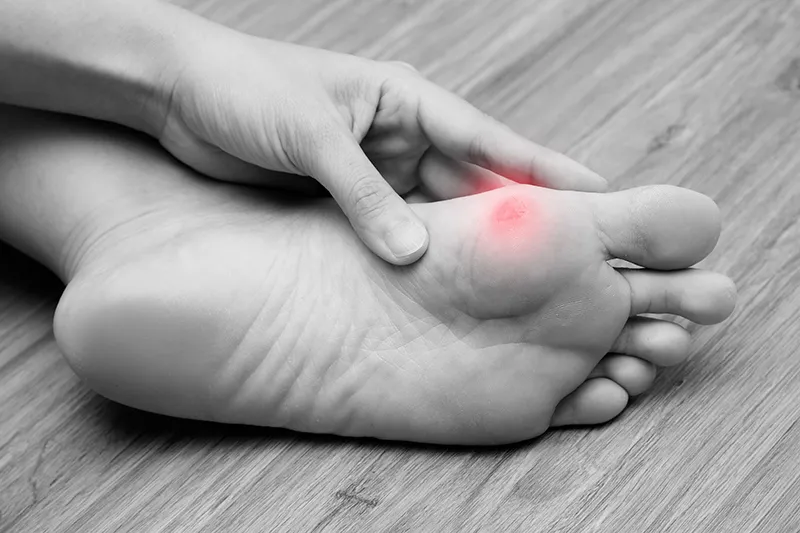
Fact: While the most visible sign of a bunion is a bump on the side of the foot, it is actually a complex structural deformity. This misalignment can affect the ligaments and tendons surrounding the joint, leading to inflammation, swelling of the fluid-filled sac near the joint (bursa), and reduced flexibility. A bunion is not an extra growth of bone that can simply be shaved off without addressing the underlying angle of the toe.
Myth 2: Tight Shoes Alone Cause Bunions
Fact: While wearing ill-fitting footwear can aggravate a bunion and make symptoms worse, it is rarely the only cause. Bunions are primarily caused by an inherited foot structure (e.g., flat feet or low arches), which can make the foot mechanically unstable and more prone to developing a bunion.
Myth 3: Bunions Only Affect Women
Fact: Because women's footwear often features narrow toe boxes and high heels, bunions are more frequently diagnosed in women. However, men can also develop bunions due to hereditary factors, arthritis or wearing unsupportive footwear.
Myth 4: Bunions Will Go Away on Their Own
Fact: Bunions are a progressive condition, meaning they will not resolve without intervention. Over time, the angle of the deformity may increase, leading to the big toe overlapping or underlapping the second toe. This can cause secondary issues such as hammertoes, corns, calluses and even arthritis in the joint.
Myth 5: Surgery Is the Only Treatment for Bunions
Fact: Surgery is not always the first line of defence. For many patients, especially those with mild to moderate bunions that are not causing severe pain, non-surgical methods are effective in relieving symptoms and slowing down the progression. These include wearing wider shoes, custom orthotics, physiotherapy and anti-inflammatory medication. A doctor will typically consider bunion removal surgery only when these conservative measures fail to provide relief or when the deformity significantly impacts daily life.
Myth 6: Bunion Surgery Is Extremely Painful
Fact: Medical advancements have significantly improved the patient experience for bunion surgery. Modern surgical techniques often involve minimally invasive procedures that result in less tissue damage, reduced post-operative pain and faster recovery times compared to traditional open surgeries. Furthermore, modern pain management protocols are much more effective, ensuring patients are comfortable during the healing process.
When to See a Bunion Specialist
You do not need to wait until your foot is severely deformed to see a doctor. It is advisable to seek a professional evaluation if you experience:
Seeing a doctor or bunion surgeon early can help you manage pain, maintain your mobility and potentially prevent the deformity from worsening to the point where surgery becomes the only option.
At Axis Bunion Clinic, we understand the distress that bunion patients experience and we are committed to helping them overcome their challenges. Patients are meticulously assessed by Dr Seng Chusheng who has achieved excellent results in foot deformity correction across more than a thousand surgeries, including bunion surgeries. If you are experiencing foot pain or suspect that you may have a bunion, schedule an appointment for an individualised assessment and treatment plan.
- Persistent pain at the base of the big toe
- Difficulty walking or wearing shoes comfortably
- Visible changes in toe alignment
- Swelling, redness or inflammation around the joint
Seeing a doctor or bunion surgeon early can help you manage pain, maintain your mobility and potentially prevent the deformity from worsening to the point where surgery becomes the only option.
At Axis Bunion Clinic, we understand the distress that bunion patients experience and we are committed to helping them overcome their challenges. Patients are meticulously assessed by Dr Seng Chusheng who has achieved excellent results in foot deformity correction across more than a thousand surgeries, including bunion surgeries. If you are experiencing foot pain or suspect that you may have a bunion, schedule an appointment for an individualised assessment and treatment plan.
Dr Seng Chusheng
Consultant Orthopaedic Surgeon MBBS(Singapore), MRCS (Edinburgh), MMed (Orth), FRCS (Edinburgh)
Dr Seng Chusheng is an orthopaedic surgeon in Singapore with a clinical focus on minimally invasive foot surgery, including bunions and other foot deformities. He has over 20 years of experience and adopts a patient-centred approach, tailoring treatment plans to individual clinical needs.
Before entering private practice, Dr Seng was a consultant orthopaedic surgeon at Singapore General Hospital, where he received the SingHealth Service With A Heart Award. He has also presented at orthopaedic conferences, including the American Academy of Orthopaedic Surgeons Annual Scientific Meeting.
Before entering private practice, Dr Seng was a consultant orthopaedic surgeon at Singapore General Hospital, where he received the SingHealth Service With A Heart Award. He has also presented at orthopaedic conferences, including the American Academy of Orthopaedic Surgeons Annual Scientific Meeting.
At Axis Bunion Clinic, supporting our patients in their recovery and regaining mobility is our top priority.
We welcome patients from all walks of life and aim to provide thoughtful, personalised care at every stage of treatment. If bunion pain is affecting your daily life, contact us at 9711 8888 to arrange a same day or next day consultation.
General Enquiry
Appointment
Contact Info

Mount Elizabeth Novena Medical Centre
38 Irrawaddy Road, #06-33Singapore 329563
Parkway East Medical Centre
319 Joo Chiat Place, #04-08,Singapore 427989
Mount Alvernia
Medical Centre A
820 Thomson Road, #03-08,Singapore 574623

Telephone



Operating Hours
| Mon - Fri | : | 8:30am - 5:30pm |
| Sat | : | 8:30am - 12:30pm |
| Sunday & PH : Closed | ||