

Dr Seng Chusheng
Consultant Orthopaedic Surgeon
MBBS (Singapore), MRCS (Edinburgh), MMed (Orth), FRCS (Edinburgh)
Bunion cushions can embody what it means to be out of sight, but never out of mind. While you may attempt to ignore or hide the visible signs of bunions, the pain and discomfort never go away. Over time, they may progressively become worse and daily activities like walking become uncomfortable or painful. In the search for immediate relief, many people turn to over-the-counter solutions, such as bunion cushions, hoping to ease the pain without invasive procedures. But do these small devices help solve the problem, or are they just a temporary fix?
What Are Bunion Cushions?
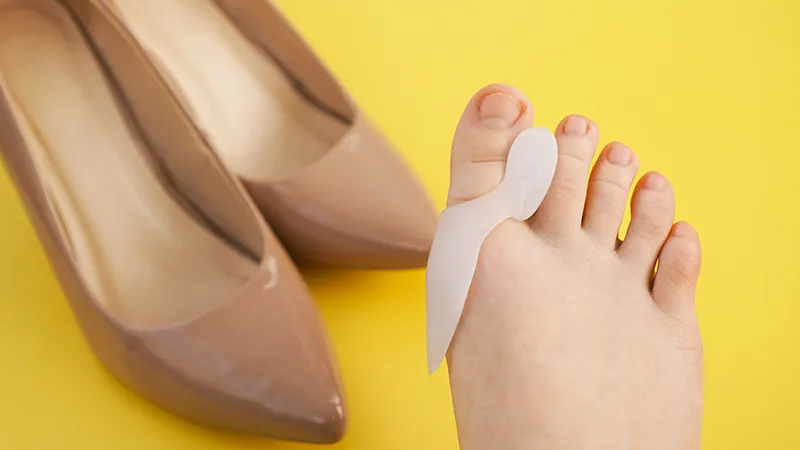
Bunion cushions, also known as bunion pads, are soft protective coverings designed to reduce friction and direct pressure around the bunion joint, which often exacerbates pain and inflammation. They are typically made from materials such as gel, silicone, moleskin or foam.
The cushion acts as a barrier between the sensitive bunion and the side of your shoe, helping to prevent rubbing and irritation. Some designs are adhesive and stick directly to the skin, while others come as a sleeve or sock that slides over the foot to hold a gel pad in place. However, it is important to note that bunion cushions are intended for symptom management rather than correcting the underlying deformity.
The cushion acts as a barrier between the sensitive bunion and the side of your shoe, helping to prevent rubbing and irritation. Some designs are adhesive and stick directly to the skin, while others come as a sleeve or sock that slides over the foot to hold a gel pad in place. However, it is important to note that bunion cushions are intended for symptom management rather than correcting the underlying deformity.
What Are the Benefits of Bunion Cushions?
For many people, bunion cushions are a simple, affordable and non-invasive option that can help reduce discomfort during daily activities. Key benefits include:
- Pain Relief: By absorbing shock and reducing direct pressure from shoes, cushions can help minimise the throbbing pain often associated with bunions.
- Protection From Friction: Bunions often rub against the inside of footwear, leading to blisters, calluses or corns. A bunion cushion acts as a protective layer, minimising this direct rubbing.
- Improved Mobility: With less pain and friction, walking or standing for long periods may become more comfortable.
- Accessibility: These cushions are affordable, available over the counter, and easy to use without a prescription.
- Non-invasive Option: Unlike surgery, bunion cushions require no downtime or recovery. They can be used right away, adjusted for comfort and replaced as needed.
What Are the Limitations of Bunion Cushions?
While bunion cushions can provide comfort, they are not a permanent solution. Some limitations include:
- No Correction: Bunion cushions do not realign the toe joint. They cannot reverse the structural deformity of a bunion or prevent it from getting worse over time.
- Space Issues in Shoes: Adding a pad increases the bulk inside your shoe. If you wear tight footwear, a cushion might actually increase pressure on the toes, potentially causing more pain rather than relieving it.
- Skin Irritation: Some people may experience skin irritation from the adhesive on stick-on pads or from the material of the sleeve, especially if worn for long durations.
- Temporary Relief: The relief provided lasts only as long as you wear the cushion. They do not effectively address the root cause of the bunion.
What Are Other Bunion Treatment Options?
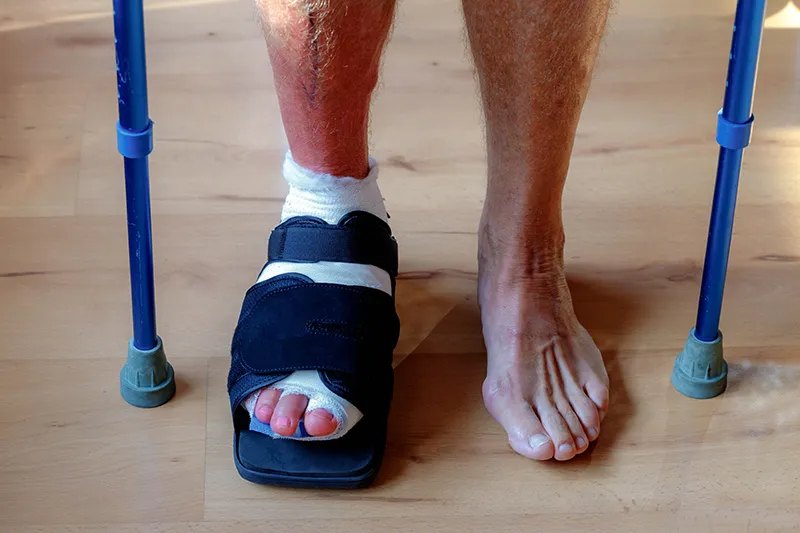
When bunion cushions and other non-surgical treatments fail to provide effective or lasting relief, surgical intervention may be considered. The type of procedure recommended depends on the severity of the bunion, the degree of joint deformity and whether arthritis is present.
One common approach is an osteotomy, which involves making small, controlled cuts in the bone to realign the affected joint and restore a more natural position of the toe. In some cases, an exostectomy may also be performed. This procedure removes the bony bump at the toe joint and is frequently combined with an osteotomy to address both the visible prominence and the underlying misalignment.
For more advanced cases, particularly when arthritis has developed within the joint, arthrodesis may be recommended. This involves removing the damaged portion of the joint and using screws to stabilise the bones, allowing them to fuse together as they heal.
One common approach is an osteotomy, which involves making small, controlled cuts in the bone to realign the affected joint and restore a more natural position of the toe. In some cases, an exostectomy may also be performed. This procedure removes the bony bump at the toe joint and is frequently combined with an osteotomy to address both the visible prominence and the underlying misalignment.
For more advanced cases, particularly when arthritis has developed within the joint, arthrodesis may be recommended. This involves removing the damaged portion of the joint and using screws to stabilise the bones, allowing them to fuse together as they heal.
Get Appropriate Bunion Treatment at Axis Bunion Clinic
Bunion cushions are useful to a certain extent, since they can help relieve mild to moderate discomfort. However, it is important to note that they do not treat the underlying condition. They act mainly as a comfort aid, making daily activities or new footwear more tolerable without correcting the structural problem.
Axis Bunion Clinic utilises only medically backed and up-to-date surgical techniques. Dr Seng Chusheng, currently a Visiting Consultant at Singapore General Hospital's Department of Orthopaedic Surgery, combines years of expertise with a patient-first approach in forming appropriate treatment plans. For a clearer understanding of your condition and the treatment options available, schedule a consultation with us.
Axis Bunion Clinic utilises only medically backed and up-to-date surgical techniques. Dr Seng Chusheng, currently a Visiting Consultant at Singapore General Hospital's Department of Orthopaedic Surgery, combines years of expertise with a patient-first approach in forming appropriate treatment plans. For a clearer understanding of your condition and the treatment options available, schedule a consultation with us.
Frequently Asked Questions
Dr Seng Chusheng
Consultant Orthopaedic Surgeon MBBS(Singapore), MRCS (Edinburgh), MMed (Orth), FRCS (Edinburgh)
Dr Seng Chusheng is an orthopaedic surgeon in Singapore with a clinical focus on minimally invasive foot surgery, including bunions and other foot deformities. He has over 20 years of experience and adopts a patient-centred approach, tailoring treatment plans to individual clinical needs.
Before entering private practice, Dr Seng was a consultant orthopaedic surgeon at Singapore General Hospital, where he received the SingHealth Service With A Heart Award. He has also presented at orthopaedic conferences, including the American Academy of Orthopaedic Surgeons Annual Scientific Meeting.
Before entering private practice, Dr Seng was a consultant orthopaedic surgeon at Singapore General Hospital, where he received the SingHealth Service With A Heart Award. He has also presented at orthopaedic conferences, including the American Academy of Orthopaedic Surgeons Annual Scientific Meeting.
At Axis Bunion Clinic, supporting our patients in their recovery and regaining mobility is our top priority.
We welcome patients from all walks of life and aim to provide thoughtful, personalised care at every stage of treatment. If bunion pain is affecting your daily life, contact us at 9711 8888 to arrange a same day or next day consultation.
General Enquiry
Appointment
Contact Info

Mount Elizabeth Novena Medical Centre
38 Irrawaddy Road, #06-33Singapore 329563
Parkway East Medical Centre
319 Joo Chiat Place, #04-08,Singapore 427989
Mount Alvernia
Medical Centre A
820 Thomson Road, #03-08,Singapore 574623

Telephone


Operating Hours
| Mon - Fri | : | 8:30am - 5:30pm |
| Sat | : | 8:30am - 12:30pm |
| Sunday & PH : Closed | ||