



Dr Seng Chusheng
Consultant Orthopaedic Surgeon
MBBS (Singapore), MRCS (Edinburgh), MMed (Orth), FRCS (Edinburgh)
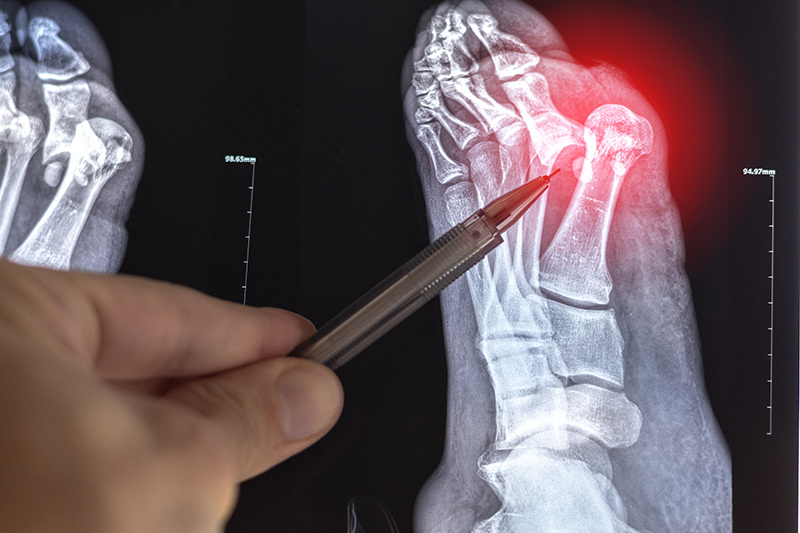
Most people might dismiss bunions as a cosmetic issue or a normal part of ageing. However, bunions are a progressive foot deformity that can lead to increasing pain, difficulty walking and reduced quality of life if left untreated.
A bunion develops when the big toe gradually shifts towards the second toe, creating a bony prominence at the joint. As the deformity progresses, it can affect the way you walk, make it difficult to find comfortable footwear, and interfere with everyday activities. Recognising the warning signs early and seeking timely treatment can help relieve symptoms, slow progression and support an active lifestyle.
A bunion develops when the big toe gradually shifts towards the second toe, creating a bony prominence at the joint. As the deformity progresses, it can affect the way you walk, make it difficult to find comfortable footwear, and interfere with everyday activities. Recognising the warning signs early and seeking timely treatment can help relieve symptoms, slow progression and support an active lifestyle.
Six Common Signs It May Be Time to Have a Bunion Assessed
Bunions typically develop slowly over time, which can make their early symptoms easy to overlook or dismiss as temporary foot discomfort. Recognising the warning signs early allows for timely assessment and appropriate management, helping to slow progression and reduce the risk of complications.
1. Visible Changes in Toe Alignment or Foot Shape
If your big toe is gradually drifting towards the second toe or beginning to overlap it, this is a strong indicator that the bunion deformity is progressing. You may also notice changes in the overall shape of your forefoot, such as a widening appearance or the development of corns and calluses due to uneven pressure distribution.
2. Persistent Pain That Affects Daily Life
If you experience a dull ache or sharp pain in your big toe joint that lingers for days, it is time to seek medical advice. This pain may flare up after walking, standing for long periods or wearing specific footwear. If the pain persists even when wearing comfortable, wide-toed shoes or when you are resting, it may indicate inflammation within the joint that should be assessed by a specialist.
3. Ongoing Swelling, Redness and Inflammation
If the skin around your big toe joint looks red, feels warm or appears swollen, it indicates that the joint is irritated. This happens because the protruding joint rubs against the inside of your shoe, irritating the soft tissues and the fluid-filled sac that cushions the joint (bursa). Chronic inflammation can lead to bursitis, making the area severely tender and sensitive to even the slightest pressure.
4. Restricted Movement or Stiffness
As the deformity progresses, the big toe joint may become stiff. You may find it difficult to bend the toe or push off when walking. This stiffness can alter your gait, potentially leading to secondary pain in the ankles, knees, hips and lower back.
5. Gradual Difficulty Wearing Shoes
If your regular size gradually feels tight around the forefoot, or if you begin to struggle to find shoes that do not rub against the side of your foot, a developing bunion could be the cause. Shoes that were once comfortable before can become painful to wear as the bunion enlarges and alters the natural contour of the foot. This causes friction, blisters or direct pressure on the bump.
6. Changes in Walking Pattern or Balance
A progressing bunion can subtly alter the way you walk as you unconsciously shift weight away from the painful joint. Over time, this compensation may affect your balance or cause discomfort elsewhere in the foot. You might notice increased fatigue when walking, instability, or pain developing in areas that were previously unaffected.
How a Bunion Specialist Can Help
A bunion specialist has the expertise to accurately assess the severity of the deformity and identify the underlying factors contributing to its progression. Through a thorough examination and imaging studies, the specialist can determine whether conservative treatments are sufficient, or if more advanced intervention may be required. Early consultation with a bunion specialist helps ensure a personalised treatment plan that adequately addresses your condition. Bunion treatment plans generally fall into two categories:
Non-Surgical Approaches
In the early stages, surgery is usually not required. Instead, specialists often recommend conservative treatments to relieve symptoms and slow progression. These may include custom orthotics to improve foot alignment, physiotherapy to strengthen foot muscles, or medication to reduce inflammation.
Surgical Solutions
If conservative treatments no longer provide relief or the deformity becomes severe, surgery may be considered. Minimally invasive techniques use small keyhole incisions to correct toe alignment and typically involve less soft tissue disruption, which may result in reduced post-operative pain and a faster recovery in appropriate patients compared with traditional open surgery.
Address Warning Signs Early with Axis Bunion Clinic
Bunions are a progressive condition and typically worsen over time without medical intervention. Timely consultation often allows for effective management through non-invasive methods. By addressing the issue when the deformity is mild, you can prevent or delay the need for surgery. Furthermore, treating the condition early prevents the development of associated complications, such as hammertoes, bursitis or arthritis in the big toe joint.
At Axis Bunion Clinic, our treatment plans are tailored to the individual needs and conditions of every patient. We are led by the proven expertise of Dr Seng Chusheng, who has vast experience in managing and performing both minimally invasive and open surgeries for foot and ankle conditions. If you recognise warning signs of a bunion, or suspect that your bunion condition is worsening, contact us for an accurate assessment.
At Axis Bunion Clinic, our treatment plans are tailored to the individual needs and conditions of every patient. We are led by the proven expertise of Dr Seng Chusheng, who has vast experience in managing and performing both minimally invasive and open surgeries for foot and ankle conditions. If you recognise warning signs of a bunion, or suspect that your bunion condition is worsening, contact us for an accurate assessment.
Dr Seng Chusheng
Consultant Orthopaedic Surgeon MBBS(Singapore), MRCS (Edinburgh), MMed (Orth), FRCS (Edinburgh)
Dr Seng Chusheng is an orthopaedic surgeon in Singapore with a clinical focus on minimally invasive foot surgery, including bunions and other foot deformities. He has over 10 years of experience and adopts a patient-centred approach, tailoring treatment plans to individual clinical needs.
Before entering private practice, Dr Seng was a consultant orthopaedic surgeon at Singapore General Hospital, where he received the SingHealth Service With A Heart Award. He has also presented at orthopaedic conferences, including the American Academy of Orthopaedic Surgeons Annual Scientific Meeting.
Before entering private practice, Dr Seng was a consultant orthopaedic surgeon at Singapore General Hospital, where he received the SingHealth Service With A Heart Award. He has also presented at orthopaedic conferences, including the American Academy of Orthopaedic Surgeons Annual Scientific Meeting.
Di Axis Orthopaedic Centre, mendukung pasien kami dalam pemulihan dan mendapatkan kembali mobilitas mereka adalah prioritas utama kami.
Kami dengan hangat menyambut pasien bunion dari semua lapisan masyarakat untuk merasakan perawatan khusus kami. Hubungi kami di 9711 8888 untuk konsultasi hari yang sama atau hari berikutnya!
Pertanyaan Umum
Janji Temu
Info Kontak

Mount Elizabeth Novena Medical Centre
38 Irrawaddy Road, #06-33Singapura 329563
Parkway East Medical Centre
319 Joo Chiat Place, #04-08,Singapura 427989
Mount Alvernia
Medical Centre A
820 Thomson Road, #03-08,Singapura 574623

Telepon



Jam Operasional
| Senin - Jumat | : | 8:30 pagi - 5:30 sore |
| Sat | : | 8:30 pagi - 12:30 siang |
| Minggu & hari libur nasional : Tutup | ||